

CNC turning parts are precision-machined components manufactured using computer numerical control (CNC) turning equipment. They are widely used in automotive, electronics, medical equipment, machinery, aerospace, industrial automation, and other industries where accurate cylindrical or rotational components are required.
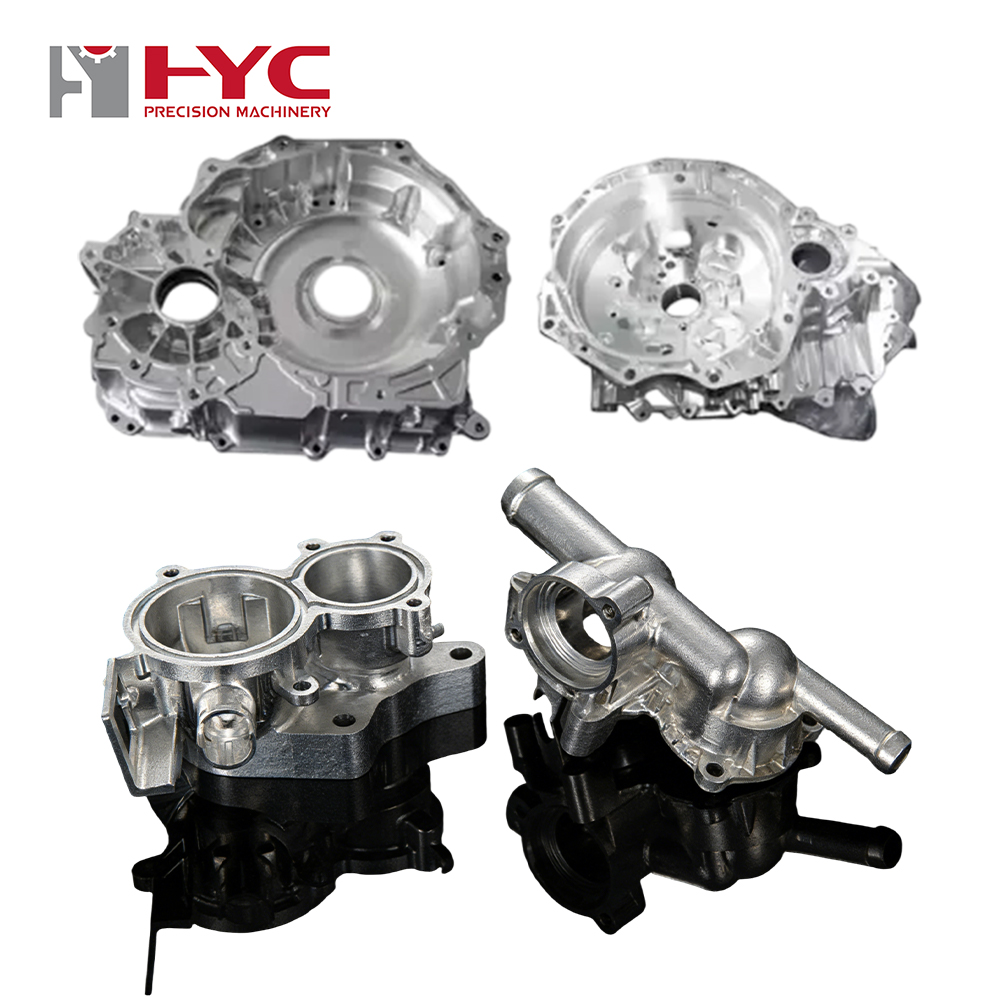
Unlike manual turning, CNC turning uses programmed instructions to control the movement of cutting tools and the rotation of the workpiece. This allows manufacturers to produce complex components with consistent dimensions, repeatable accuracy, and efficient production. For businesses sourcing custom CNC turning parts, understanding the manufacturing process can help when selecting materials, tolerances, surface finishes, and a suitable CNC turning supplier.
What Are CNC Turning Parts?
CNC turning parts are components produced primarily through a machining process in which a workpiece rotates while a cutting tool removes material from its surface. The process is especially suitable for parts with cylindrical, conical, threaded, or rotational features.
Typical CNC turned parts may include:
- Shafts
- Pins
- Spacers
- Connectors
- Threaded components
- Bushings
- Sleeves
- Valves and fittings
- Precision fasteners
- Custom mechanical components
Depending on the machine configuration and component design, CNC turning can also be combined with drilling, boring, grooving, threading, facing, and other machining operations.
How Does CNC Turning Work?
The basic principle of CNC turning is relatively straightforward. The workpiece is secured in a chuck or suitable workholding device and rotates around its central axis. A cutting tool then moves along programmed paths to remove material and create the required geometry.
The machining process is controlled by a CNC system based on digital design and machining instructions. Once the program has been verified, the machine can repeat the same operations with a high level of consistency.
This makes CNC turning particularly useful for businesses that require large quantities of identical precision components.
How Are CNC Turning Parts Made?
The manufacturing process generally involves several stages. The exact workflow can vary according to part complexity, material, tolerance, and production volume.
1. Review the Part Drawing
Production begins with a technical drawing or 3D CAD model. Engineers review the component dimensions, tolerances, material requirements, threads, grooves, holes, surface finish, and other specifications.
At this stage, the manufacturer may also evaluate whether the design is suitable for CNC turning and identify opportunities to improve manufacturability or reduce machining costs.
2. Select the Raw Material
The appropriate raw material is selected according to the component's mechanical and environmental requirements.
Common materials for precision CNC turning parts include:
- Aluminum
- Brass
- Copper
- Stainless steel
- Carbon steel
- Alloy steel
- Titanium
- Engineering plastics
Material selection can affect machining speed, tool wear, surface quality, dimensional stability, strength, corrosion resistance, and final cost.
3. Prepare the CNC Turning Program
Once the design and material are confirmed, machining instructions are created for the CNC machine. The program determines tool movements, cutting paths, spindle speed, feed rate, depth of cut, and machining sequence.
For complex components, CAM software may be used to generate and simulate the machining program before production. Simulation can help identify potential tool collisions, inefficient tool paths, or other problems before machining begins.
4. Secure the Workpiece
The raw material is placed into a chuck, collet, or another appropriate workholding system. Proper positioning and clamping are important because movement or vibration during machining can affect dimensional accuracy and surface finish.
For high-volume production, automated bar feeding systems may be used to continuously supply material to the CNC turning machine.
5. Perform CNC Turning Operations
The machine then removes material according to the programmed tool paths. Common operations include:
- Facing: Creates a flat surface at the end of the workpiece.
- External turning: Reduces the outside diameter to the required size.
- Internal boring: Enlarges or finishes an internal hole.
- Grooving: Creates narrow channels or recesses.
- Threading: Produces internal or external threads.
- Drilling: Creates holes along the required axis.
- Chamfering: Removes sharp edges and creates angled edges.
Modern CNC turning centers can combine multiple operations, reducing the need to move the workpiece between different machines.
6. Apply Secondary Operations When Required
Some components require additional machining or finishing after the primary turning operation. Depending on the design, secondary processes may include milling, grinding, polishing, heat treatment, deburring, or surface treatment.
For example, a turned component may require a specific coating for improved corrosion resistance or a polished surface for appearance and functional performance.
7. Inspect the Finished Parts
Quality inspection is an important part of CNC machining. Manufacturers may use calipers, micrometers, height gauges, thread gauges, optical inspection equipment, or coordinate measuring machines to verify critical dimensions.
Inspection may cover:
- Diameter
- Length
- Thread dimensions
- Hole dimensions
- Geometric tolerances
- Surface finish
- Overall appearance
For high-precision applications, inspection data can be recorded and compared against the original engineering specifications.
What Are the Advantages of CNC Turning Parts?
High Dimensional Accuracy
CNC turning allows manufacturers to control cutting operations precisely. This is particularly valuable for components that must fit tightly with other mechanical parts.
Consistent Production
Once a machining program has been properly developed and verified, the same process can be repeated across multiple production batches. This helps maintain consistency and reduce variations between parts.
Efficient Mass Production
CNC turning is well suited to medium- and high-volume production. Automated feeding and multi-operation machining can further improve productivity.
Complex Component Manufacturing
CNC turning can produce components with multiple diameters, threads, grooves, tapers, holes, and other features. Advanced CNC turning centers can also perform additional milling operations for more complex geometries.
Flexible Material Options
Depending on the machine, tooling, and application, CNC turning can process a broad range of metals and engineering plastics.
What Factors Affect CNC Turning Part Quality?
The quality of a CNC turned component depends on more than the CNC machine itself. Several factors must work together.
- Raw material quality
- Machine accuracy and condition
- Cutting tool quality
- Tool wear
- Workpiece clamping
- Cutting parameters
- Programming accuracy
- Temperature control
- Inspection procedures
- Operator and engineering experience
For this reason, choosing an experienced CNC turning parts manufacturer can be important when your project involves tight tolerances, complex geometries, or large production volumes.
How to Choose the Right CNC Turning Parts Manufacturer?
When sourcing custom components, buyers should evaluate the manufacturer's technical capabilities rather than focusing only on the quoted unit price.
Important factors include:
- CNC machine capabilities
- Available machining sizes
- Material processing experience
- Achievable tolerances
- Quality inspection equipment
- Surface treatment capabilities
- Production capacity
- Prototype and small-batch support
- Mass production experience
- Quality management procedures
It is also useful to ask whether the manufacturer can provide samples before mass production. Sample approval can help verify dimensions, appearance, material, and overall quality before a larger order is released.
CNC Turning Parts vs CNC Milling Parts
| Feature | CNC Turning | CNC Milling |
|---|---|---|
| Main Movement | Workpiece rotates | Cutting tool rotates |
| Best For | Cylindrical and rotational parts | Prismatic and complex surfaces |
| Typical Parts | Shafts, bushings, pins, fittings | Brackets, housings, plates, complex blocks |
| Common Operations | Turning, threading, boring, grooving | Pocketing, slotting, drilling, contouring |
Where Are CNC Turning Parts Used?
CNC turned components are used across many industries because they can be manufactured with consistent dimensions and customized specifications.
Common applications include:
- Automotive components
- Industrial machinery
- Automation equipment
- Electronic devices
- Medical equipment
- Aerospace systems
- Hydraulic and pneumatic equipment
- Electrical equipment
- Robotics
- Consumer products
For example, shafts, connectors, bushings, pins, fittings, and threaded components can all be produced using CNC turning processes.
Frequently Asked Questions
1. What are CNC turning parts?
CNC turning parts are precision components produced by rotating a workpiece while a computer-controlled cutting tool removes material to create the required shape and dimensions.
2. What materials can be used for CNC turning?
Common materials include aluminum, brass, copper, stainless steel, carbon steel, alloy steel, titanium, and various engineering plastics.
3. Are CNC turning parts suitable for mass production?
Yes. CNC turning is suitable for mass production because programmed machining processes can be repeated consistently, and automated feeding systems can further improve production efficiency.
4. Can CNC turning produce custom components?
Yes. CNC turning is widely used for custom components based on customer drawings, CAD files, material specifications, dimensions, and tolerance requirements.
5. How do I choose a CNC turning parts supplier?
Consider the supplier's machining capabilities, material experience, achievable tolerances, inspection equipment, production capacity, quality control, and experience with similar components.