

In the aerospace industry,material selection plays a critical role in determining the performance,reliability,and service life of aircraft components.Among the many materials used for CNC aerospace parts,aluminum and titanium are two of the most widely used options.
Both materials offer unique advantages.Aluminum aerospace parts are valued for their lightweight properties and excellent machinability,while titanium aerospace components are known for their exceptional strength,heat resistance,and durability.
So,when choosing between aluminum vs titanium aerospace CNC parts,which material is better?The answer depends on the specific application,performance requirements,and manufacturing conditions.
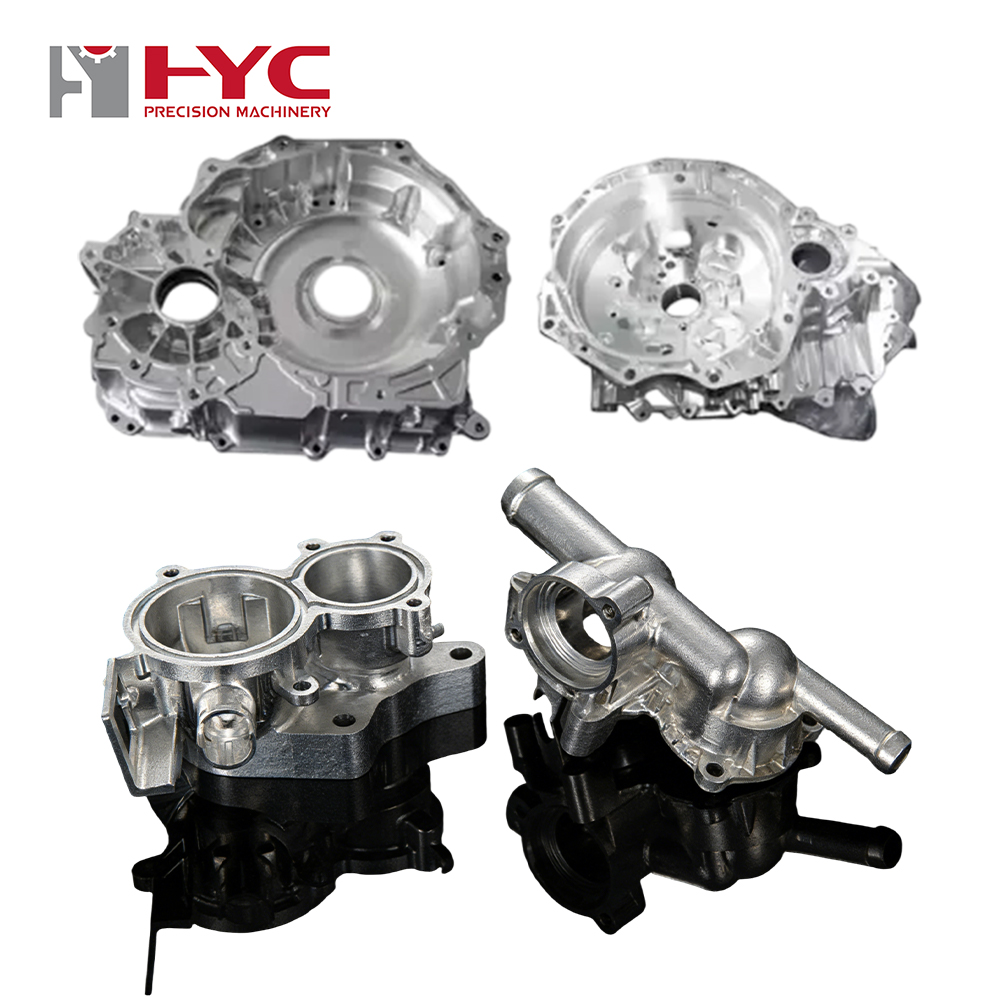
What Are Aerospace CNC Parts?
Aerospace CNC parts are precision components manufactured using advanced CNC machining technology for aircraft,spacecraft,drones,and aviation systems.
Because aerospace environments involve extreme conditions,these components must meet strict requirements,including:
High dimensional accuracy
Lightweight construction
Excellent mechanical strength
Corrosion resistance
Long service life
Through precision CNC machining,manufacturers can produce complex aerospace components from materials such as aluminum alloys,titanium alloys,stainless steel,and high-performance super alloys.
Aluminum Aerospace CNC Parts:Advantages and Applications
Aluminum is one of the most commonly used materials in aerospace manufacturing.It has been widely adopted for decades because of its excellent balance between weight,strength,and cost.
Advantages of Aluminum Aerospace Parts
1.Lightweight Performance
The biggest advantage of aluminum is its low density.
Compared with titanium,aluminum is significantly lighter,making it ideal for applications where reducing aircraft weight is important.
Benefits include:
Lower fuel consumption
Improved aircraft efficiency
Increased payload capacity
For many aircraft structures,lightweight CNC machined aerospace components made from aluminum provide excellent performance.
2.Excellent Machinability
Aluminum is easier to machine compared with titanium.
During CNC aerospace machining,aluminum offers:
Faster cutting speeds
Lower tool wear
Shorter production cycles
Reduced manufacturing costs
This makes aluminum a popular choice for prototypes and high-volume aerospace production.
3.Good Corrosion Resistance
Many aerospace aluminum alloys form a natural oxide layer that helps protect the material from corrosion.
Additional surface treatments,such as anodizing,can further improve durability.
Common Applications of Aluminum CNC Aerospace Parts
Aluminum is commonly used for:
Aircraft fuselage structures
Interior components
Brackets
Frames
Panels
Electronic housings
UAV structures
Titanium Aerospace CNC Parts:Advantages and Applications
Titanium is considered a premium aerospace material due to its outstanding mechanical performance.
Although it is more expensive and more difficult to machine,titanium provides advantages that aluminum cannot match.
Advantages of Titanium Aerospace Components
1.Superior Strength-to-Weight Ratio
Titanium provides much higher strength compared with aluminum while maintaining relatively low weight.
This makes titanium aerospace parts suitable for applications requiring maximum strength and reliability.
2.Excellent Heat Resistance
Titanium maintains its mechanical properties at higher temperatures than aluminum.
This makes it ideal for:
Aircraft engines
Exhaust systems
High-temperature structural components
3.Outstanding Corrosion Resistance
Titanium has excellent resistance to:
Salt water
Chemicals
Extreme environments
This makes titanium suitable for demanding aerospace conditions.
4.Long Service Life
Due to its strength and durability,titanium components can withstand repeated stress and harsh operating environments.
This reduces maintenance requirements and improves aircraft reliability.
Common Applications of Titanium CNC Aerospace Parts
Titanium is commonly used for:
Engine components
Landing gear parts
Aircraft structural components
Fasteners
Hydraulic system components
Spacecraft components
Aluminum vs Titanium Aerospace CNC Parts Comparison
| Feature | Aluminum Aerospace Parts | Titanium Aerospace Parts |
|---|---|---|
| Weight | Very lightweight | Lightweight but heavier than aluminum |
| Strength | Good | Excellent |
| Heat Resistance | Moderate | Excellent |
| Corrosion Resistance | Good | Superior |
| Machining Difficulty | Easy | More difficult |
| CNC Processing Cost | Lower | Higher |
| Tool Wear | Low | Higher |
| Production Speed | Faster | Slower |
| Best Application | Lightweight structures | High-performance components |
CNC Machining Differences Between Aluminum and Titanium
Material selection also affects the manufacturing process.
CNC Machining Aluminum
Aluminum is considered a machining-friendly material.
Advantages:
Higher cutting speeds
Longer tool life
Easier finishing
Lower production costs
This makes aluminum CNC machining suitable for projects requiring efficiency and cost control.
CNC Machining Titanium
Titanium requires more advanced machining techniques.
Challenges include:
Lower cutting speeds
Higher heat generation
Increased tool wear
More complex processing requirements
However,advanced 5 axis CNC aerospace machining technology allows manufacturers to efficiently produce complex titanium aerospace components.
Which Material Is Better for Aerospace CNC Parts?
There is no universal answer.The better material depends on the specific requirements of the aerospace application.
Choose Aluminum Aerospace Parts When:
✔Weight reduction is the priority
✔Cost efficiency is important
✔High production speed is required
✔Components operate under moderate conditions
Typical examples:
Aircraft interiors
Structural panels
Lightweight brackets
Drone frames
Choose Titanium Aerospace Parts When:
✔Maximum strength is required
✔High temperature resistance is needed
✔Components face extreme environments
✔Long-term durability is critical
Typical examples:
Aircraft engines
Landing systems
High-stress structural parts
How Manufacturers Choose Between Aluminum and Titanium
Professional aerospace CNC parts manufacturers consider several factors:
1.Mechanical Requirements
Engineers evaluate:
Strength
Fatigue resistance
Load conditions
2.Operating Environment
Temperature,corrosion exposure,and stress levels influence material selection.
3.Manufacturing Budget
Aluminum is generally more economical,while titanium provides premium performance.
4.Component Function
A lightweight cabin component and an engine part require completely different material properties.
FAQ
Is titanium better than aluminum for aerospace applications?
Titanium offers higher strength and heat resistance,but aluminum is lighter and more affordable.The best choice depends on the application.
Why is aluminum widely used in aircraft?
Aluminum provides an excellent balance of low weight,strength,corrosion resistance,and machining efficiency.
Why is titanium more expensive than aluminum?
Titanium is harder to process,requires specialized CNC machining techniques,and causes more tool wear.
Can CNC machines process both aluminum and titanium?
Yes.Advanced CNC machining equipment can process both materials,including complex 5 axis CNC aerospace parts.
Which material is better for aircraft structures?
Many aircraft use both materials.Aluminum is often used for lightweight structures,while titanium is selected for high-stress areas.