

Precision in the manufacturing of centrifuge blades plays a vital role in numerous industries, from pharmaceuticals to aerospace. CNC (Computer Numerical Control) machining has revolutionized the production of these components, offering superior accuracy and reliability. In this article, we’ll explore the factors that make CNC precision centrifuge blades a top choice and how they impact the efficiency and performance of centrifuges.
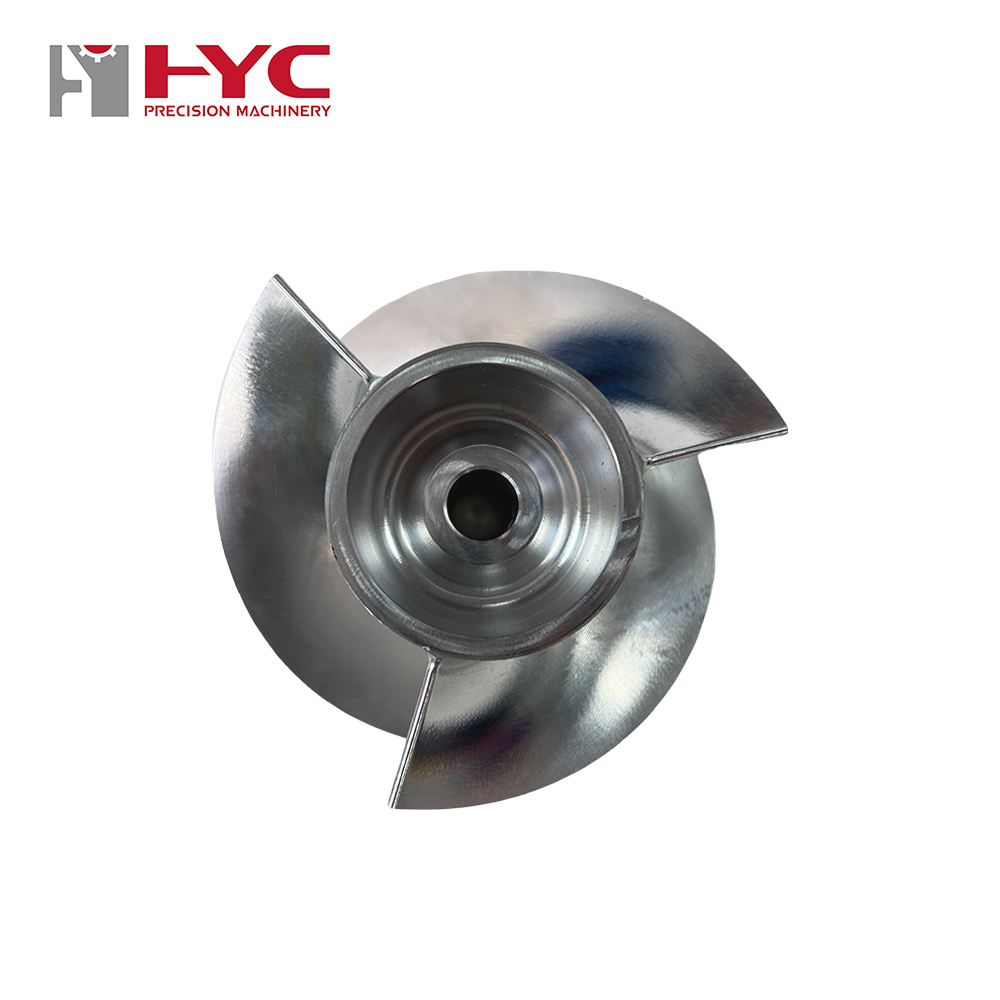
The Significance of Material Selection
The materials used in CNC precision centrifuge blades are crucial to their performance. Stainless steel, high-strength alloys like 17-4 PH, and titanium are often chosen for their resilience and ability to withstand extreme conditions. In environments with high rotational speeds, durable materials help prevent premature wear and damage, directly affecting the centrifuge's lifespan.
For example, a medical equipment manufacturer reported that switching to titanium alloys for their centrifuge blades extended operational life by 30%. The choice of material ensures that blades remain effective even in demanding conditions, whether they are separating biological samples or handling industrial chemicals.
Achieving Precision Through CNC Machining
CNC machining is renowned for its ability to produce components with exceptional accuracy, and this precision is critical when it comes to centrifuge blades. Even minor deviations in blade geometry can lead to significant drops in centrifuge performance, impacting the speed and quality of separation.
With CNC technology, manufacturers can maintain tolerances as tight as ±0.001 inches. A pharmaceutical company noted that the use of CNC-machined blades in their centrifuges led to a 20% increase in separation speed and improved consistency of results, highlighting how crucial precision is to the industry.
Boosting Centrifuge Efficiency
Efficiency is at the core of centrifuge operations, and CNC precision blades are a key factor in maximizing this. Improved aerodynamic profiles, precise dimensions, and high-quality surface finishes all contribute to better airflow and reduced resistance during operation. These enhancements lead to faster and more efficient separation processes.
In a comparative study, a chemical processing facility observed a 12% increase in centrifuge throughput when they switched to CNC-machined blades, demonstrating the tangible impact of precision manufacturing on overall efficiency.
The Importance of Blade Balancing
Proper balancing of centrifuge blades is essential to minimize vibration and ensure smooth operation. Unbalanced blades can cause excessive wear on bearings, increase noise levels, and lead to system failures. CNC technology not only allows for precise machining but also aids in achieving perfectly balanced blades.
For example, a centrifuge manufacturer implemented CNC-balanced blades in their industrial units and reported a 35% reduction in operational vibrations. This not only improved performance but also extended the maintenance intervals, saving time and costs for their clients.
Custom Designs for Specialized Applications
One of the standout benefits of CNC machining is the ability to produce customized designs tailored to specific applications. Different industries require unique blade geometries and materials based on the materials they handle. In medical labs, where precise separation of blood components is necessary, custom CNC-machined blades provide the accuracy required for sensitive processes.
A chemical company developed a custom blade design through CNC machining, optimizing it for slurry separation. This modification led to a 25% increase in the purity of the final product, showcasing how tailored solutions can significantly impact specific applications.
Cost Efficiency and Scalability
CNC machining is not only about quality; it’s also about cost-effectiveness. The ability to produce high-quality centrifuge blades with minimal waste and high repeatability makes CNC an economical choice, even for large-scale production.
In a manufacturing case study, a company reduced their production costs by 18% after transitioning to CNC precision machining for their centrifuge blades. The precision offered by CNC machines ensures fewer defects and rejects, which translates into savings for manufacturers and customers alike.
Lightweight and Practical Design
Although durability and strength are vital, CNC precision blades also manage to remain lightweight, which is critical for centrifuge efficiency. A lightweight blade reduces the load on the centrifuge's motor, allowing it to operate with less energy and at higher speeds.
An aerospace component manufacturer observed that CNC-machined lightweight blades allowed their centrifuges to maintain high-speed rotations with reduced power consumption, improving the overall energy efficiency of their operations by 10%. This kind of design consideration is why CNC precision is invaluable in blade production.
Meeting Quality Standards and Assurance
CNC precision manufacturing aligns with stringent industry standards, ensuring that every centrifuge blade meets quality expectations. Manufacturers often adhere to ISO and ASTM standards to guarantee that blades perform consistently across different applications.
One company specializing in high-grade centrifuge blades achieved ISO 9001 certification, which bolstered client confidence and led to a 15% increase in repeat orders. Quality assurance measures such as these emphasize the reliability of CNC-machined components in critical sectors like healthcare and aerospace.
Conclusion
CNC precision centrifuge blades are a testament to how advanced manufacturing can enhance performance, efficiency, and durability in various industries. From selecting the right materials to achieving the perfect balance, CNC technology addresses the unique demands of each application while ensuring cost-efficiency and quality. Whether in a medical lab or a chemical plant, precision blades are the cornerstone of effective centrifuge operation, demonstrating how technology continues to drive progress in manufacturing and beyond.