

The use of CNC (Computer Numerical Control) aluminum alloy parts has been on the rise in various industries, driven by technological advancements and the increasing demand for high-precision, lightweight, and durable components. CNC machining is a versatile and highly accurate manufacturing process, which, when combined with aluminum alloys, offers immense potential for growth in fields like aerospace, automotive, electronics, medical devices, and more. This article delves into the development prospects of CNC aluminum alloy parts, exploring the key factors contributing to their growth, technological advancements, industry trends, and future possibilities.
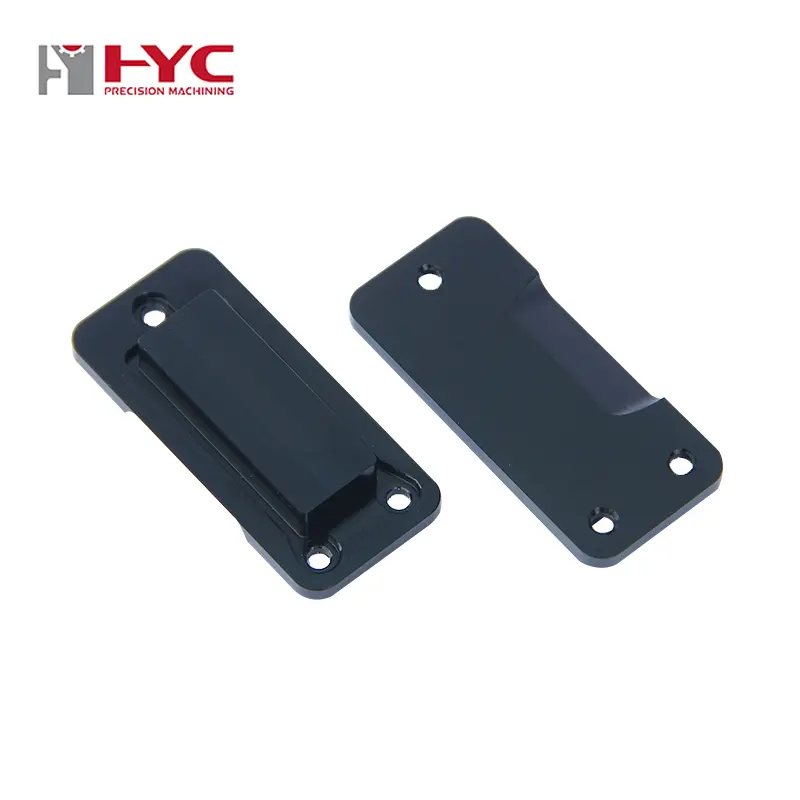
1. Advantages of CNC Machining with Aluminum Alloys
Aluminum is one of the most widely used materials in CNC machining due to its lightweight, corrosion resistance, and excellent mechanical properties. Combined with CNC technology, aluminum alloys enable the production of intricate and complex parts with superior accuracy and consistency. Some of the major advantages of CNC-machined aluminum alloy parts include:
High Precision: CNC machines can produce parts with tight tolerances, ensuring that components fit perfectly into complex assemblies.
Durability: Aluminum alloys provide excellent strength-to-weight ratios, making them ideal for parts that require both structural integrity and lightweight properties.
Corrosion Resistance: Aluminum alloys naturally resist corrosion, especially when anodized or treated, making them suitable for applications exposed to harsh environments.
Cost-Effectiveness: Aluminum is relatively easy to machine, reducing production costs and time while still delivering high-quality parts.
Customization and Flexibility: CNC machining allows for flexibility in part design, making it suitable for low-volume production and prototyping as well as mass manufacturing.
These advantages ensure that CNC aluminum alloy parts will continue to be a preferred choice across a wide range of industries.
2. Current Market Demand and Industry Applications
The market demand for CNC aluminum alloy parts is growing rapidly, driven by several high-tech industries. Let’s explore the key sectors where these parts are making a significant impact:
Aerospace Industry
The aerospace industry has always been at the forefront of using lightweight and high-strength materials. Aluminum alloys, due to their weight advantages and high strength, are extensively used in aircraft structures, engines, and landing gear components. CNC-machined aluminum alloy parts offer high precision, which is critical in aerospace applications where safety and performance are paramount. As air travel continues to grow globally, the demand for CNC aluminum alloy parts in this sector is expected to rise steadily.
Automotive Industry
The automotive industry is undergoing a revolution with the shift towards electric vehicles (EVs) and the adoption of lightweight materials to improve fuel efficiency and reduce emissions. CNC-machined aluminum parts are playing a crucial role in this transformation. From engine components to structural parts, aluminum alloy parts help reduce vehicle weight without compromising strength. With the increasing production of EVs, the demand for CNC aluminum parts is anticipated to rise significantly.
Electronics Industry
Aluminum alloys are frequently used in the electronics industry due to their thermal conductivity and electrical properties. CNC machining allows the production of heat sinks, enclosures, and connectors with high precision, ensuring that electronic devices operate efficiently. As consumer electronics and smart devices continue to evolve, the demand for aluminum alloy parts in this industry will grow correspondingly.
Medical Devices
CNC-machined aluminum alloy parts are used in medical equipment and devices due to their biocompatibility, corrosion resistance, and high precision. Components such as surgical instruments, diagnostic devices, and prosthetics are often made from aluminum alloys. The growth of the healthcare industry and the increasing demand for medical devices are expected to fuel the demand for CNC aluminum parts.
3. Technological Advancements Driving Growth
The development prospects of CNC aluminum alloy parts are closely tied to technological advancements in both CNC machining and material science. Several key innovations are shaping the future of this field:
Improved CNC Machining Techniques
The continuous improvement of CNC machining technology is leading to faster production times, higher precision, and more complex part designs. Multi-axis CNC machines, for example, allow for the machining of intricate geometries that were previously impossible. In addition, advancements in software and computer-aided design (CAD) have made it easier to create and modify designs, reducing lead times and enabling mass customization.
Automation and AI Integration
The integration of automation and artificial intelligence (AI) in CNC machining processes is revolutionizing manufacturing. Automated systems can now handle everything from part loading to tool changes, reducing labor costs and increasing production efficiency. AI algorithms are also being used to optimize machining parameters, predict maintenance needs, and improve part quality. These innovations are making CNC aluminum machining more efficient and cost-effective.
Advancements in Aluminum Alloys
Material science has led to the development of new aluminum alloys with enhanced properties. Alloys that offer improved strength, heat resistance, and corrosion resistance are becoming available, expanding the range of applications for CNC-machined aluminum parts. These advancements make aluminum alloys even more attractive for industries like aerospace, automotive, and electronics, where performance is critical.
4. Sustainability and CNC Aluminum Parts
As industries become more focused on sustainability, CNC aluminum alloy parts have the potential to play a significant role in reducing environmental impact. Aluminum is a highly recyclable material, and using recycled aluminum in manufacturing can significantly reduce energy consumption and carbon emissions. In addition, the lightweight nature of aluminum contributes to energy savings in transportation and product use, particularly in the automotive and aerospace sectors.
The CNC machining process itself can also be made more sustainable through the adoption of efficient practices, such as minimizing material waste, reducing energy consumption, and using environmentally friendly lubricants. As more companies prioritize sustainability, CNC aluminum alloy parts will likely become an even more attractive option.
5. Challenges and Future Outlook
Despite the promising development prospects, there are some challenges that need to be addressed for the continued growth of CNC aluminum alloy parts:
Cost of Advanced CNC Machines: The initial investment in advanced CNC machines and automation technologies can be high, which may be a barrier for smaller manufacturers.
Competition from Other Materials: While aluminum alloys offer many advantages, they face competition from other materials such as composites and plastics, especially in industries like automotive and aerospace where weight reduction is crucial.
Skilled Labor Shortage: Operating and maintaining advanced CNC machines requires specialized skills, and there is currently a shortage of skilled CNC machinists in some regions.
Looking ahead, the prospects for CNC aluminum alloy parts are bright. Technological advancements, coupled with increasing demand from high-tech industries, will drive growth in this sector. As CNC machining becomes more efficient and cost-effective, and as new aluminum alloys with enhanced properties are developed, the range of applications for CNC aluminum parts will continue to expand.
Conclusion
CNC aluminum alloy parts offer immense development potential across various industries, from aerospace and automotive to electronics and medical devices. The combination of aluminum’s material properties and CNC machining’s precision and versatility creates a powerful solution for manufacturing complex, high-performance parts. With continued technological advancements, increasing market demand, and a focus on sustainability, CNC aluminum alloy parts are poised for significant growth in the coming years. However, addressing challenges such as the cost of advanced machinery and the shortage of skilled labor will be essential to fully realizing the potential of this promising field.