

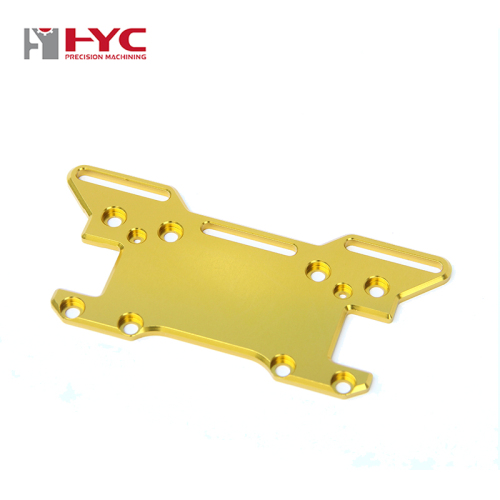
Decorated colorful anodized aluminum finds extensive applications across various industries due to its aesthetic appeal, durability, and versatility. Let's delve into some of the key sectors where this material is commonly used:
1. Architecture and Construction:
Decorated colorful anodized aluminum is widely utilized in architectural projects for façade cladding, interior decoration, and roofing. Its vibrant colors and corrosion resistance make it an ideal choice for modern architectural designs. Additionally, its lightweight nature facilitates easy installation and reduces structural load.
2. Interior Design:
In interior design, anodized aluminum is employed for decorative elements such as wall panels, ceiling tiles, and furniture components. Its ability to withstand wear and tear, coupled with the availability of a wide range of colors, allows designers to create visually stunning and long-lasting interior spaces.
3. Automotive Industry:
The automotive industry utilizes decorated colorful anodized aluminum for both interior and exterior components. It is commonly found in trim pieces, grilles, emblems, and wheel rims. The anodized finish enhances the aesthetic appeal of vehicles while providing protection against corrosion and environmental damage.
4. Electronics and Appliances:
Anodized aluminum is prevalent in the electronics and appliance sectors due to its electrical conductivity, lightweight, and corrosion resistance. It is used in the manufacturing of casings for smartphones, laptops, kitchen appliances, and audiovisual equipment. The colorful anodized finish adds a sleek and modern look to electronic devices.
5. Aerospace and Aviation:
Decorated anodized aluminum is utilized in the aerospace industry for its lightweight properties and resistance to harsh environmental conditions. It is employed in aircraft interiors, including seat components, cabin fittings, and decorative panels. The vibrant colors can be customized to meet the aesthetic preferences of airlines and aircraft manufacturers.
6. Marine Applications:
Due to its resistance to saltwater corrosion, anodized aluminum is commonly used in marine applications. It is employed in boat fittings, marine hardware, and interior components of yachts and cruise ships. The decorative finish adds to the visual appeal of vessels while providing long-term protection against the corrosive effects of seawater.
7. Signage and Branding:
Anodized aluminum is a popular choice for outdoor signage and branding applications due to its durability and weather resistance. It is used for signage panels, lettering, and logos in commercial and retail settings. The vibrant colors and customizable designs allow businesses to create eye-catching signage that effectively communicates their brand identity.
8. Art and Decorative Objects:
Artists and craftsmen utilize anodized aluminum as a medium for creating sculptures, wall art, jewelry, and other decorative objects. Its lightweight nature, malleability, and ability to hold vibrant colors make it a preferred choice for artistic endeavors. Additionally, the anodized finish provides protection against oxidation, ensuring the longevity of art pieces.
9. Sporting Goods:
Anodized aluminum is incorporated into the manufacturing of sporting goods such as bicycles, tennis rackets, and camping equipment. Its lightweight yet durable properties make it well-suited for applications where strength and performance are crucial. The colorful anodized finish adds a distinctive aesthetic to sporting equipment while enhancing durability.
10. Consumer Products:
Anodized aluminum is prevalent in a wide range of consumer products, including jewelry, fashion accessories, kitchenware, and personal gadgets. Its scratch-resistant surface and vibrant colors appeal to consumers looking for stylish and durable products. From smartphone cases to fashion watches, anodized aluminum adds a touch of elegance to everyday items.
In conclusion, decorated colorful anodized aluminum offers a myriad of applications across numerous industries, owing to its versatility, durability, and aesthetic appeal. Whether in architecture, automotive design, electronics, or art, this material continues to play a significant role in shaping modern aesthetics and functionality.