

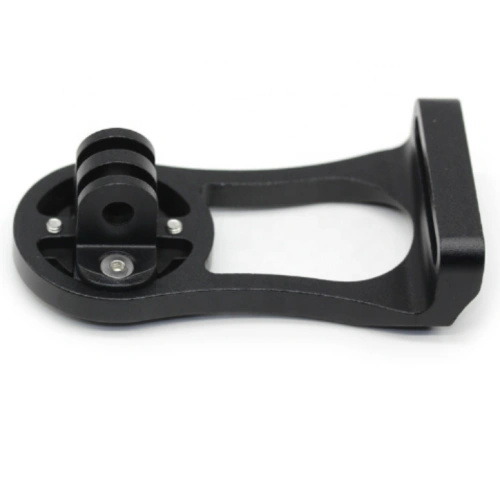
The process flow for 5-axis machining of complex parts begins in the design phase. At this stage, engineers need to analyze the part geometry and features in detail and determine the best machining strategy. This includes determining the cutting area, surface finishing requirements, clamping methods, etc. In addition, designers also need to take into account the structural characteristics of the workpiece so that stable and accurate processing can be achieved during subsequent processing.
2. Programming phase
Once the design is completed, next comes the programming phase. In 5-axis machining, programming is a crucial link, which determines the machining path and cutting conditions. Programmers need to select appropriate tools and cutting parameters based on the geometry and processing requirements of the part, and use CAM software to generate the corresponding processing path. During this process, factors such as the workpiece's curved surface, transition area, and obstacle avoidance need to be fully considered to ensure the cutting effect and processing accuracy.
3. Clamping and Preparation
Once programming is complete, the next step is to clamp and prepare the workpiece. In 5-axis machining, the clamping of the workpiece is crucial, which directly affects the stability and accuracy of the machining. Typically, specific fixtures need to be designed and manufactured to secure the workpiece and ensure it does not move or deform during machining. In addition, the machine tool also needs to be prepared, including installing tools, adjusting the workbench, and setting the coordinate system.
4. Processing
Once everything is ready, the machining process can begin. In 5-axis machining, the cutting paths are diverse and complex, often including cutting movements in multiple directions. The machine tool needs to rotate and move at the same time during the machining process to achieve cutting of all sides of the workpiece. In addition, tool paths and cutting parameters need to be adjusted in time to adapt to the processing needs of different areas and ensure processing efficiency and quality.
5. Testing and Adjustment
After processing is completed, the parts need to be inspected and adjusted. Through measurement and inspection, it is possible to evaluate whether the processing accuracy and surface quality meet the requirements, and if necessary, corrections and adjustments can be made. In addition, the processing process also needs to be reviewed and summarized in order to identify problems and improve measures to improve the efficiency and quality of the next processing.
To sum up, the process flow of 5-axis machining of complex parts is a comprehensive process, involving multiple links such as design, programming, clamping, processing and inspection. Only by being rigorous and precise in every aspect can we ensure that the quality and precision of the final product reaches the expected level. With the continuous advancement of technology, it is believed that 5-axis machining technology will develop more advanced and efficient machining processes in the future, bringing more possibilities and opportunities to the manufacturing industry.